
Welcome
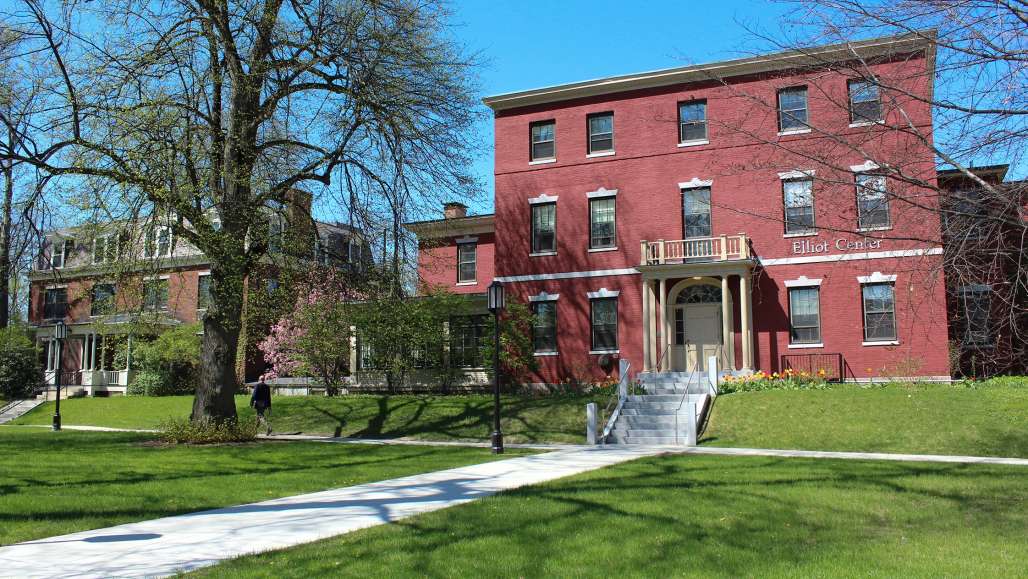
Located in the Elliot Center, Student Academic Support Services (SASS) consists of departments collaboratively working to support all students in finding their place both academically and professionally. These include Academic Advising, Aspire, Career Services, Disability Services, Global Education Office, Upward Bound, Links and Tutoring.
Help with Math and Research and Writing can be found in the Mathematics building and Mason Library respectively. All other content areas access tutoring services through Aspire.
Math
Get help at The Math Center. Located in the Science Center, , room 281, assistance with IQL 101 courses and much more is available. View the current tutoring and testing schedule.
Go to the Math CenterResearch & Writing
Located in room 111 in the Mason Library, The Center for Research & Writing offers collaborative sessions helping students with every step of the writing process as well as drop-in peer-to-peer help for your research projects and papers.
To schedule an appointment, please drop by or make an appointment online.
Go to Center for Research & Writing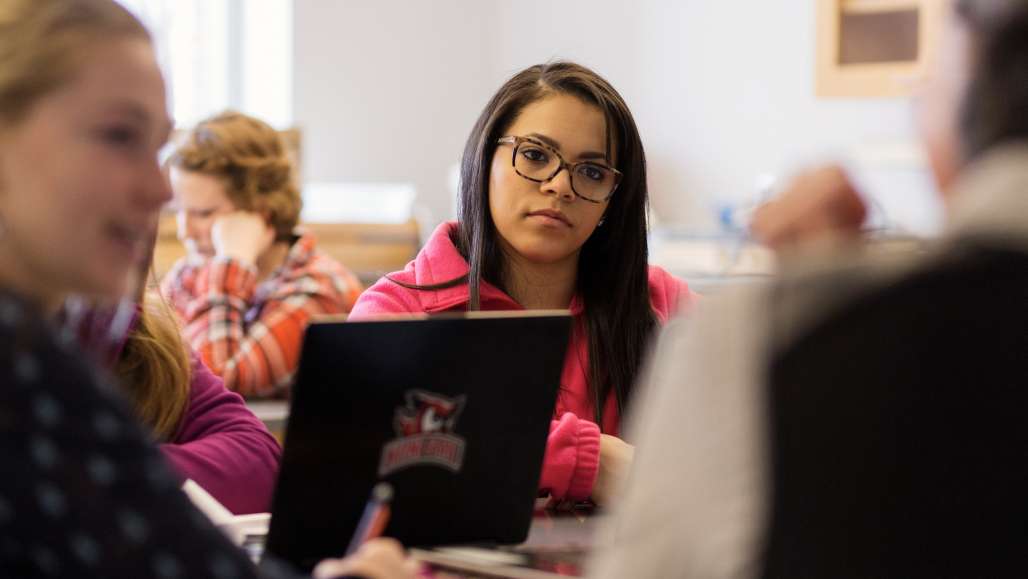
Academic Advising
Professional academic advisors assist students with major exploration, academic planning, course registration, transfer credits, and degree requirements. Come visit us in the Elliot Center.
Go to Academic AdvisingDisability Services
KSC is committed to an accessible learning environment for all students with an emphasis on education and advocacy. Professional staff guide students and families through the review of documentation and determining accommodations for academics, technology, housing, and medical needs. Come visit us in the Elliot Center
Go to ODS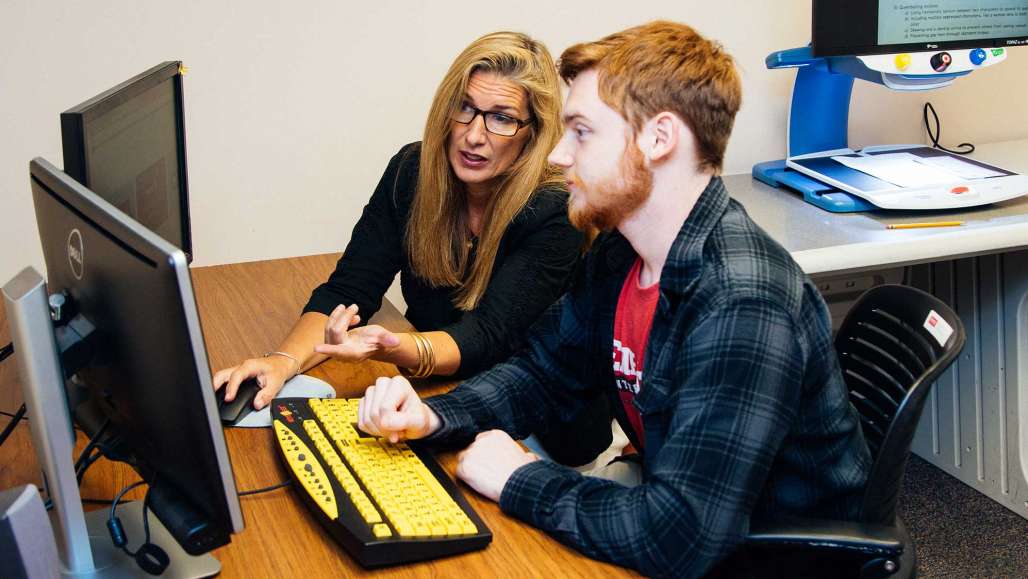
Aspire
Located in the Elliot Center, our academic support services include adjusting to college, self-advocacy, study skills, and tutoring. Aspire is funded by a TRIO federal grant to support students who are the first in their family to earn a 4-year college degree, or are from a moderate-income background, or have a documented disability. Aspire is a blended model with institutional funding allowing for the provision of a suite of services to all KSC students.
Go to AspireCareer Services
Professional career advisors support students in exploring and capturing KSC experiences inside and outside of the classroom. Our services include Handshake, Focus 2, internships, resume & cover letter resources, career exploration and job searches, career events, interview skills, and graduate school exploration. Come visit us in the Elliot Center
Go to Career ServicesGlobal Education Office (GEO)
Located in the Elliot Center, GEO prepares students to be global citizens. Students can plan a study away experience internationally or domestically after their first semester in college. We have agreements with over 30 institutions and offer affordable options for all students in all majors and minors.
Go to GEOLinks
Links is a summer program that introduces first-time college students to the academic and social expectations of college in a supportive learning community. After successfully completing Links, students are better prepared to handle the varied demands of college because they’ve enhanced essential skills such as reading, writing, critical thinking, and communication. Come visit us in the Elliot Center
Go to LinksUpward Bound
Upward Bound (UB) is a year-round college preparatory program. It prepares students for success in high school and enrollment in college. It is funded by the U.S. Department of Education and is free of charge to students who meet eligibility criteria. Come visit us in the Elliot Center
Go to Upward BoundMeet our Staff
We are a team of hardworking, innovative people who believe in the transformative experience of higher education and are dedicated to intentional collaboration with students in support of achieving their dreams and goals.
Laura Mielke, Executive Director
Catherine Lee, Sr Program Support Assistant
Heather Samperisi, Program Support Assistant