Welcome
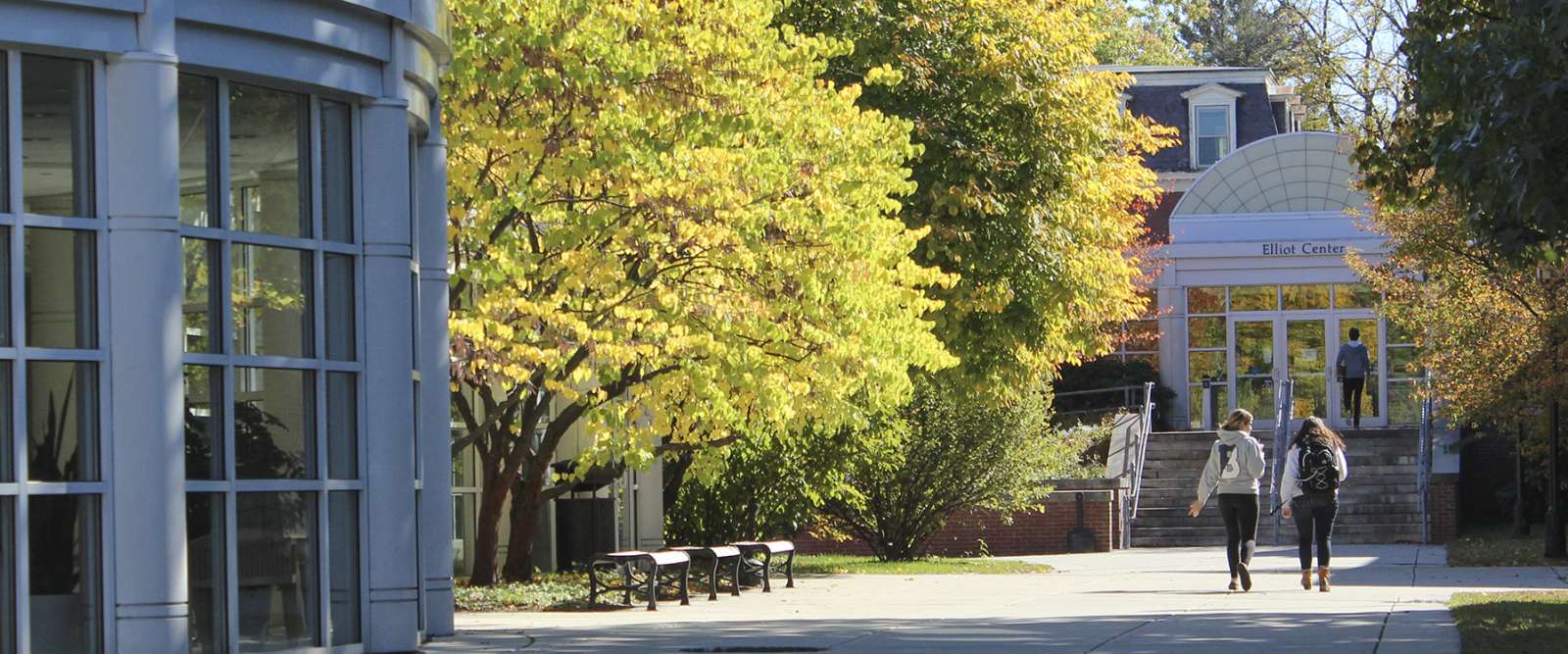
Welcome to The Wellness Center at Keene State College, located on the 3rd floor of the Elliot Center. We have a talented team of health and wellness professionals who are committed to the well-being of students and the campus community. Please explore our website to learn more about us and be sure to let us know how we can be of support.
KSC Patient Portal
The Patient Portal is our secure, online portal for your personal health information. Use the Patient Portal to submit required health forms, access health history/immunization records, securely message with our medical staff, and make an appointment with our nurses. Questions? Call us at (603) 358-2200

Make an Appointment
Visit this page to schedule an appointment at the Wellness Center. If you have questions, please call us at 603-358-2200, Monday – Friday, 8am – 4:30pm.
More infoEmergencies & After Hours
For medical or mental health emergencies call Campus Safety at 603-358-2228 or call 911 and indicate that you are in Keene, NH. If you are in crisis or have an urgent need to speak with a mental health counselor during business hours (M-F, 8:30am - 4:30pm), you can come to the Wellness Center on the 3rd floor of Elliot or call us at 603-358-2200. After hours, on weekends/holidays, call our 24/7 on-call Counselor at 603-358-2436 or contact NH988.com (833) 710-6477 for text, phone or chat mental health services. Click below for local after hours medical services information.
More infoOur Services
The Wellness Center’s Team provides a wide variety of medical, emotional health and wellness promotion services to all students at KSC. Most services are free and all are designed to help address existing challenges and prevent future problems. Click below for more info.
More infoWellness Resources
Want to do a deep dive into different health issues or just poke around and learn something new? Check out our online library of educational resources and tools.
More infoA Confidential Space
The Wellness Center strictly maintains students' privacy and adheres to all federal confidentiality laws. Click below for our full confidentiality statement.
More InfoOur Staff
Wellness Center staff consist of counselors, medical providers, health educators, prevent specialists, and administrative staff who are here to support students' emotional and physical well-being.
More infoNew Student Info
Welcome to Keene State! Click on this link to see what you need to do before starting your first semester at Keene State. Required forms are necessary to submit in order to move into the residential halls and start classes.
More infoFor Faculty & Staff
The Wellness Center's Counseling Services Team works collaboratively with faculty and staff to meet our students’ needs. If you are concerned about a student's well being, learn more about how you can help.
More infoFor Family & Friends
It is often difficult to know where to turn when someone we care about is in trouble. For parents and friends of KSC students, the Wellness Center's Counseling Services is a valuable resource, here to answer your questions and offer advice.
More infoFrequently Asked Questions
Have a question? Check out our FAQ page or give us a call! - 603-358-2200
More info